Kraken the Pressure: Detail, Care & Curb Appeal
Kraken the Pressure, LLC
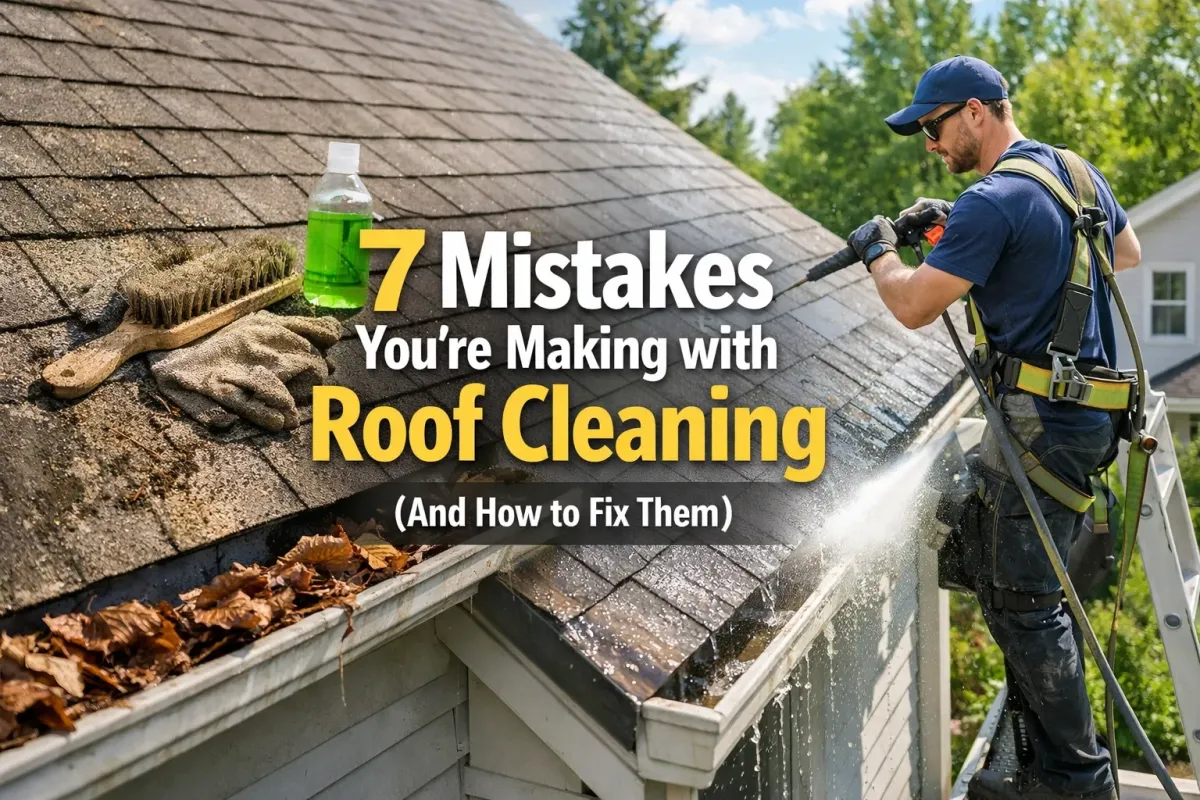
7 Mistakes You're Making with Roof Cleaning (And How to Fix Them)
7 Mistakes You're Making with Roof Cleaning (And How to Fix Them)
![[HERO] 7 Mistakes You're Making with Roof Cleaning (And How to Fix Them)](https://cdn.marblism.com/7nMPrkCuUnB.webp "[HERO] 7 Mistakes You're Making with Roof Cleaning (And How to Fix Them)")
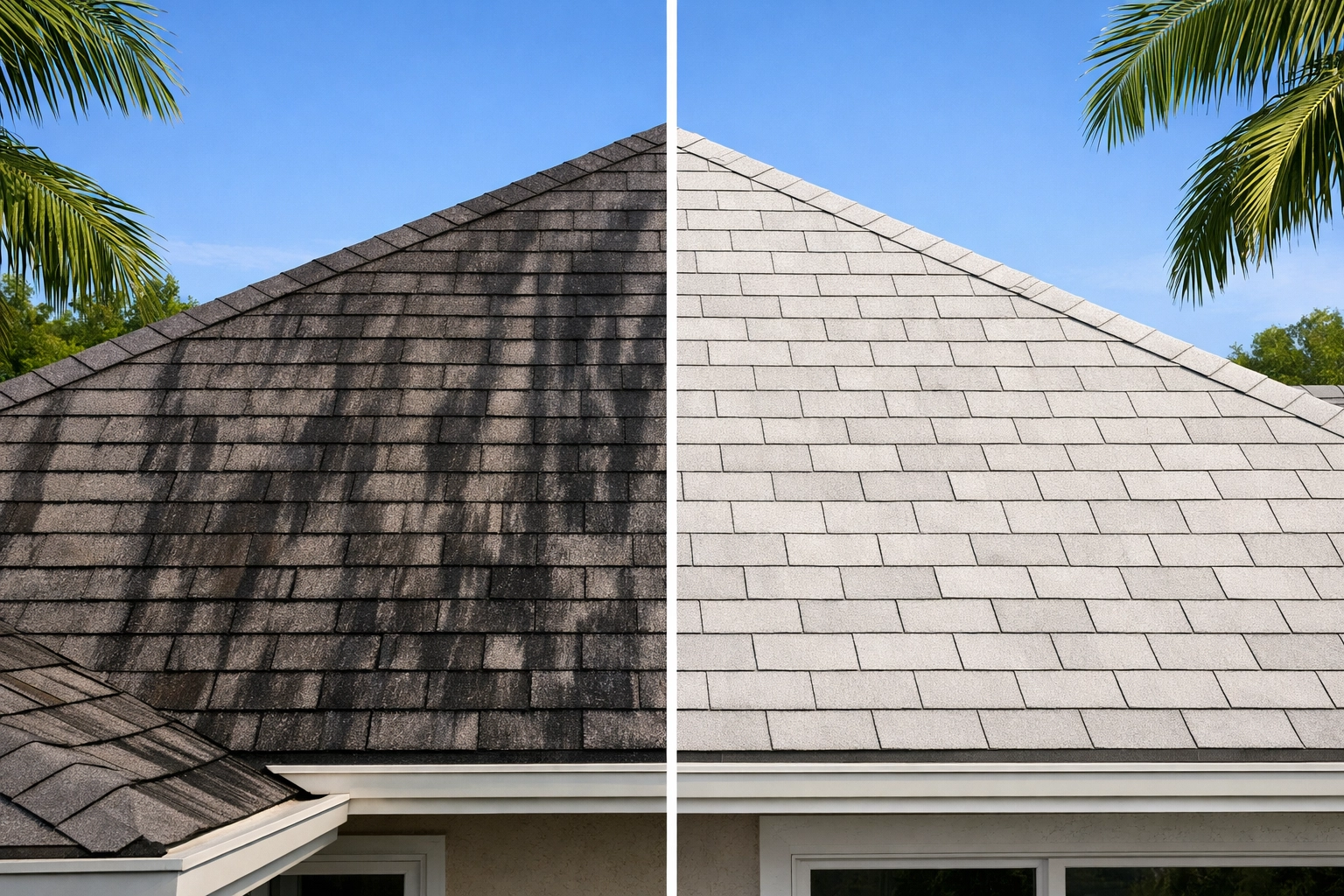
If you've noticed those ugly black streaks crawling across your roof, you're not alone. Florida's heat and humidity create the perfect breeding ground for algae, moss, and lichen. That dark discoloration isn't just dirt: it's Gloeocapsa magma, a type of algae that feeds on the limestone filler in your shingles. Left unchecked, it eats away at your roof's protective granule layer and shortens its lifespan by years.
Most homeowners try to tackle roof cleaning themselves or hire the wrong crew. The result? Damaged shingles, voided warranties, and algae that comes back within months. We've seen roofs aged a decade in a single afternoon because someone used the wrong method.
Here are the seven biggest roof cleaning mistakes Florida homeowners make: and how to avoid them.
Mistake #1: Blasting Your Roof with High-Pressure Water
This is the number one way people destroy their roofs. High-pressure washing strips away the protective granules that shield your shingles from UV rays. It forces water under shingles and flashing, creating leaks you won't notice until water damage shows up inside your home. Those granules don't grow back. Once they're gone, your shingles age faster and fail sooner.
Pressure washing also widens existing cracks and loosens shingles that were perfectly secure. The force is just too much for roofing materials designed to handle rain, not industrial-grade water jets.
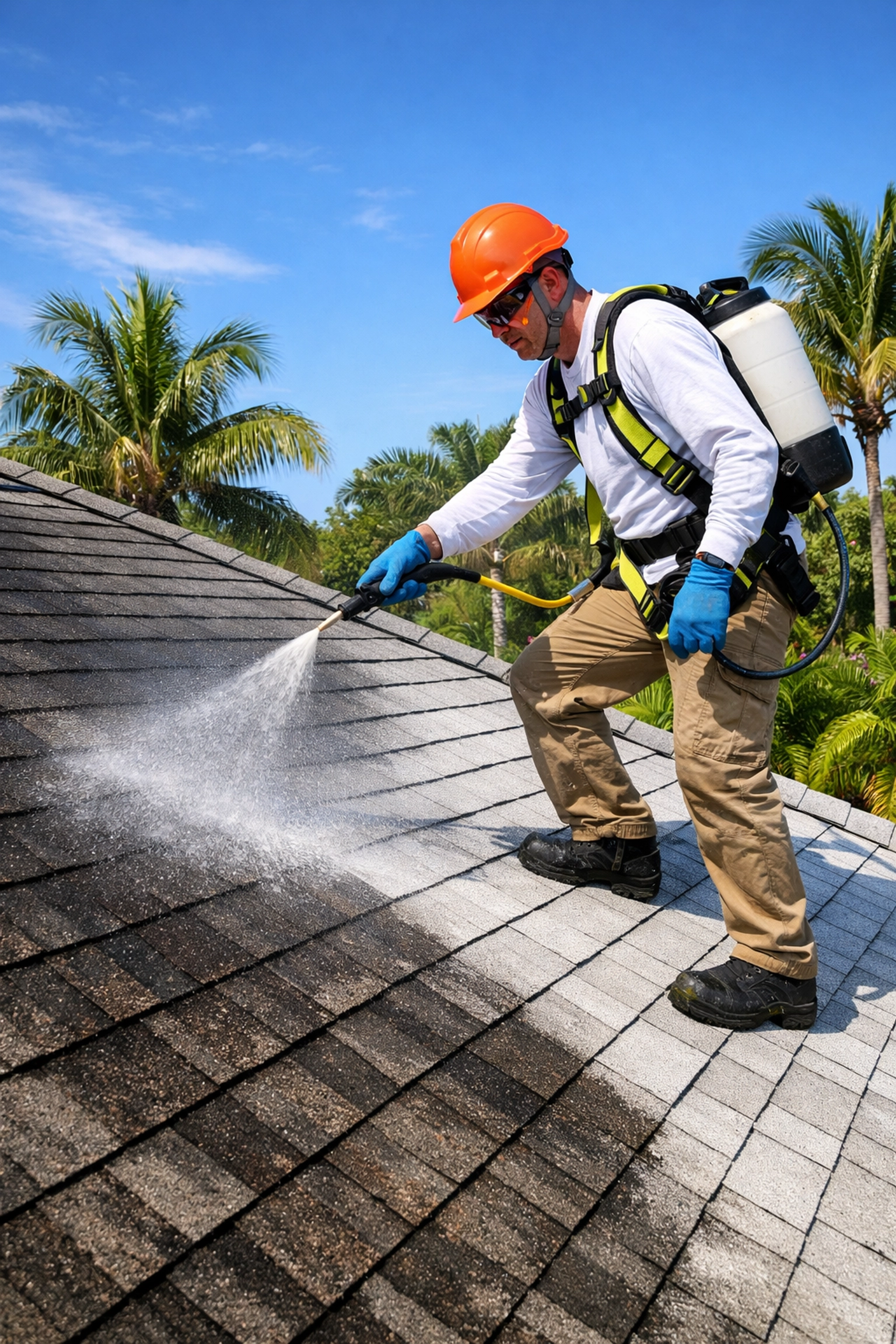
The Fix: Use soft washing instead. Soft wash roof cleaning combines low-pressure water (about the same pressure as a garden hose) with biodegradable cleaning solutions that kill algae, moss, and lichen at the root. The solution does the work: not the pressure. This method safely removes stains without damaging your roof or voiding manufacturer warranties. At Kraken The Pressure, we use professional soft wash techniques specifically designed for Florida's roofing materials and climate.
Mistake #2: Scrubbing Your Roof Like a Deck
You wouldn't sand your car's paint to clean it. Don't scrub your roof. Manual brushing with stiff bristles erodes the protective coating on shingles, creates surface scratches that trap more dirt, and accelerates wear. When bristles catch the shingle's edge and pull upward, they rip roofing material right off.
People think scrubbing shows they're working hard. What it actually shows is faster roof replacement in your future.
The Fix: Apply cleaning solutions and let them sit. Professional soft washing uses dwell time: the solution breaks down organic growth chemically while you wait 10 to 15 minutes. Then a gentle rinse removes everything without physical contact. No scrubbing. No damage. No shortcuts that cost you later.
Mistake #3: Dumping Bleach All Over Your Roof
Bleach kills algae, but most people use way too much. Household bleach and pool chlorine at high concentrations damage roofing materials, discolor shingles, kill your landscaping, and contaminate groundwater. We've seen contractors pour straight pool chlorine on roofs at concentrations 10 times higher than manufacturer recommendations. Your roof gets "clean" for six months, then the shingles start falling apart.
Those black streaks come back faster after harsh chemical treatments because you've damaged the surface and created more places for algae to attach.
The Fix: Use eco-friendly, biodegradable cleaning solutions at proper dilution ratios. Professional-grade products target algae and organic growth without harming your roof or property. If bleach is part of the formula, it's minimal and properly diluted. We saturate plants and landscaping with water before and after treatment to prevent any damage. The right chemicals do the job safely: and keep your warranty intact.
Mistake #4: Only Cleaning What You See
You spray the black streaks. They disappear. You think you're done. Three months later, they're back: darker than before. That's because you only cleaned the surface. The algae's root system is still alive under the shingles, feeding and spreading. Moss and lichen work the same way. Visible growth is just the tip of the problem.
Florida's humidity means your roof stays damp. Algae loves damp. If you don't kill the roots, you're just renting clean time.
The Fix: Use treatments that penetrate and kill algae at the root level, not just surface stains. Professional soft washing solutions soak into the affected areas and eliminate the entire organism. After cleaning, we can apply preventive treatments like zinc or copper strips along your roof ridge. These metals release ions that prevent regrowth for years. Your roof stays clean longer, and you save money on repeat cleanings.
Mistake #5: Cleaning Your Roof When the Weather Won't Cooperate
You pick a Saturday. It's windy, or rain is coming, or it's 95 degrees at noon. Bad timing ruins roof cleaning. Wind blows cleaning solution off your roof and onto areas you don't want treated: like your car or flower beds. Rain washes away the solution before it can work. Extreme heat causes chemicals to evaporate before they kill algae, and it makes your roof dangerously hot to walk on.
Roof cleaning in poor weather is ineffective and unsafe. You waste time, money, and product.
The Fix: Schedule roof cleaning on clear, dry days with mild temperatures: ideally between 60 and 80 degrees. Early morning or late afternoon works best in Florida's heat. We check the forecast before every job. If conditions aren't right, we reschedule. Proper timing means the solution stays where it belongs, works as designed, and dries correctly. You get results that last.
Mistake #6: Ignoring Your Gutters While Cleaning Your Roof
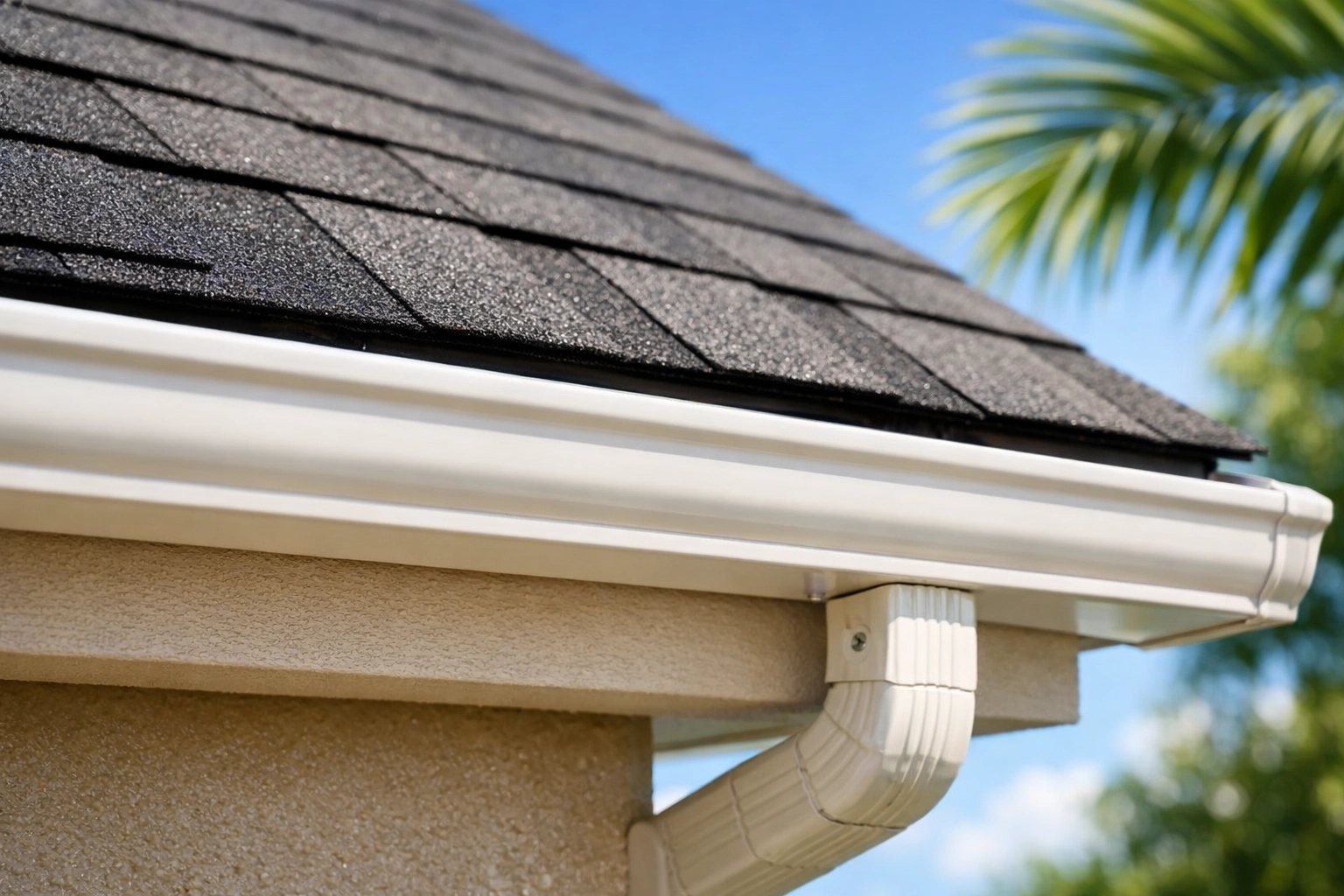
Your roof looks great. Your gutters are packed with debris, leaves, and algae buildup. Water can't drain. It backs up under your shingles, rots your fascia boards, and creates perfect conditions for more algae growth. Cleaning your roof without addressing your gutters is like washing your car and leaving mud caked in the wheel wells.
Clogged gutters also add weight stress to your roofline and create standing water: a breeding ground for mosquitoes and mold.
The Fix: Combine roof cleaning with gutter cleaning and maintenance. Clear gutters before or during roof treatment so water flows properly. Inspect downspouts to make sure they're not blocked. If you have recurring gutter issues, consider gutter guards that keep debris out while letting water through. Clean gutters protect your roof cleaning investment and prevent water damage to your home's structure.
Mistake #7: Drowning Your Roof in Cleaning Solution
More isn't better. Over-saturating your roof with cleaning chemicals creates massive runoff that harms landscaping, contaminates soil, and wastes product. Excess solution also seeps under shingles and into your attic space, creating moisture problems inside your home. Some DIYers think soaking the roof guarantees better cleaning. What it guarantees is environmental damage and potential water intrusion.
Florida's afternoon rains already put enough moisture on your roof. You don't need to add more.
The Fix: Apply cleaning solution at the proper coverage rate: enough to treat algae without creating pools or excessive runoff. Let the solution dwell for 10 to 15 minutes as directed, then rinse using even strokes from a garden hose, starting at the top and working downward. Professional equipment meters the exact amount of solution needed based on your roof's size and contamination level. You get thorough cleaning without waste or risk.
Why Soft Washing Works in Florida
Florida's climate is brutal on roofs. Humidity stays between 70 and 90 percent year-round. That constant moisture, combined with heat, accelerates algae and moss growth. The limestone in your shingles is basically algae food. Traditional pressure washing makes the problem worse by damaging shingles and giving algae more surface area to colonize.
Soft washing kills the organisms causing those black streaks without harming your roof. The low-pressure application is safe for all roofing types: architectural shingles, 3-tab, tile, and metal. The biodegradable solutions we use are designed for Florida's specific algae strains. They work with your roof's materials, not against them.
Soft washing also extends your roof's lifespan. By removing algae before it damages the granule layer, you preserve the shingles' UV protection and water resistance. A properly maintained roof lasts 20 to 25 years. A neglected roof fails in 12 to 15 years. The difference is thousands of dollars in replacement costs.
When to Clean Your Roof
Don't wait until your entire roof is black. Clean it as soon as you notice streaks forming: usually every 18 to 24 months in Florida. If your home is near water, under heavy tree coverage, or on the north side of buildings (which stays damp longer), you may need cleaning every 12 months.
Spring and fall offer the best conditions for roof cleaning. Temperatures are mild, humidity is slightly lower, and you're getting ahead of summer's peak algae growth or winter's moisture buildup.
Your Roof Deserves Better
Those seven mistakes cost Florida homeowners thousands in premature roof replacements every year. High-pressure washing, harsh chemicals, and poor technique damage roofing materials that were built to last decades. The black streaks on your roof aren't just ugly: they're actively destroying your investment.
Professional soft washing removes algae safely, protects your shingles, and keeps your roof looking new. We use the right solutions at the right pressure applied at the right time. Your roof gets clean. Your warranty stays valid. The algae stays gone.
If you're in the Lakeland area and tired of looking at those black streaks, we handle it. No pressure damage. No harsh chemicals. No algae coming back next month. Just a clean roof that does its job for years to come.
Contact Kraken The Pressure for a free roof cleaning estimate. We'll inspect your roof, explain exactly what it needs, and give you a straight answer on timing and cost. Your roof protects everything under it. Make sure whoever cleans it knows what they're doi

Reliable, professional pressure washing services for pristine results.


Copyright Kraken the Pressure 2026. All rights reserved